

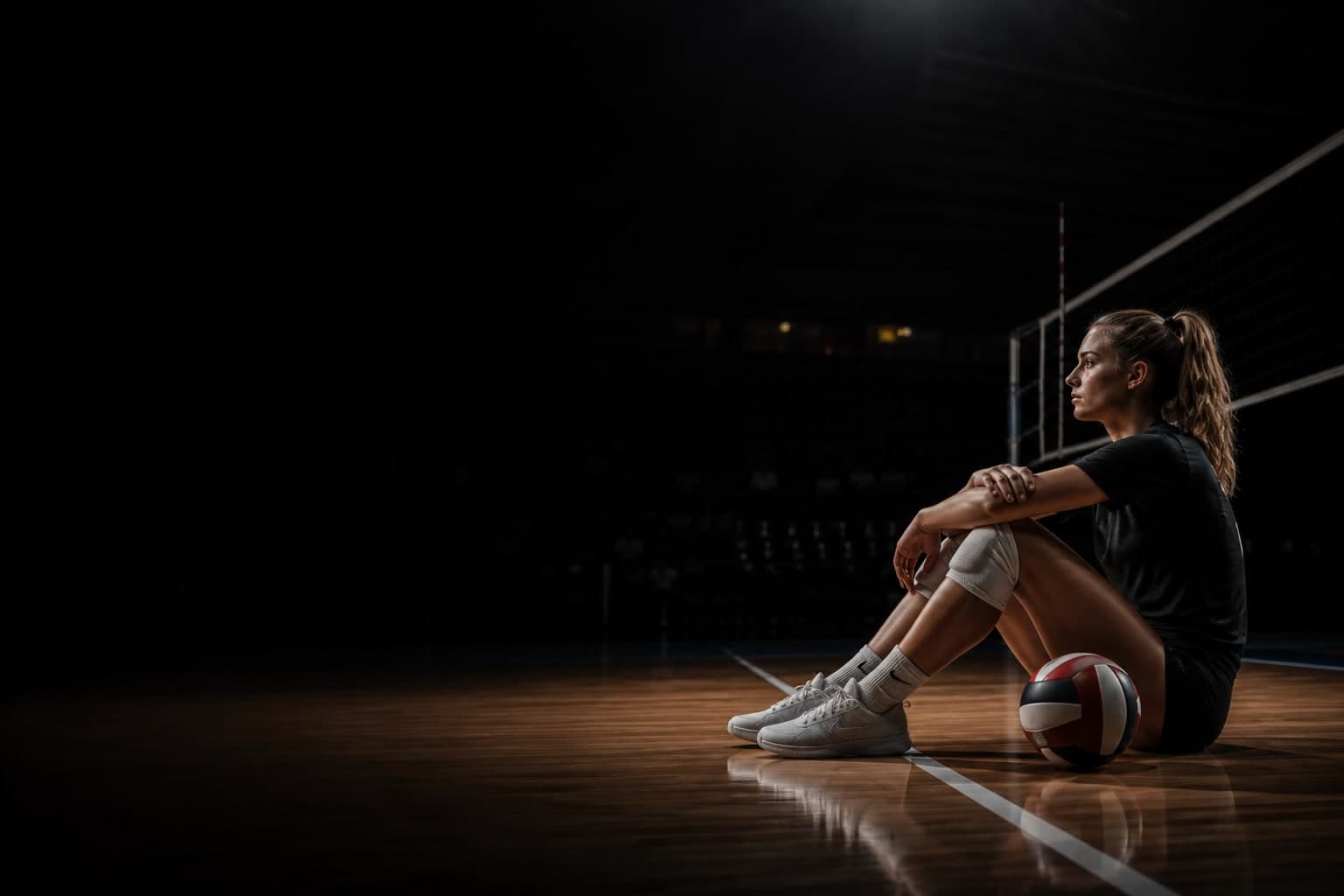
Beyond the Game
Life lessons learned through volleyball — character, leadership, mental performance, adversity, relationships, and the role parents play in the journey.
Life lessons learned through volleyball.
Featured
Hand-picked guidance for the decisions families face most often.
Athletes spend thousands of hours training their bodies and volleyball skills, but the mind needs training too. Learn how mental habits, emotional control, self-talk, resilience, and response to adversity can become competitive skills—and why becoming a stronger athlete starts with learning to control what happens between your ears.
Coach Mike DZ
Read ArticleLong after the trophies are packed away and the seasons are over, your athlete won't remember every score. They'll remember how you made them feel. This article explores the lasting impact parents have on their children through youth sports.
Sideline
Read ArticleThe voice inside an athlete's head can either provide useful information or create another opponent to overcome. This article teaches athletes how to recognize destructive self-talk, separate facts from emotional stories, and turn negative thoughts into specific performance instructions they can actually use.
Coach Mike DZ
Read ArticleTopics
Start with the question your family is facing right now.
Library
Articles, videos, and guides for this section.
Athletes spend thousands of hours training their bodies and volleyball skills, but the mind needs training too. Learn how mental habits, emotional control, self-talk, resilience, and response to adversity can become competitive skills—and why becoming a stronger athlete starts with learning to control what happens between your ears.
Coach Mike DZ
Read ArticleLong after the trophies are packed away and the seasons are over, your athlete won't remember every score. They'll remember how you made them feel. This article explores the lasting impact parents have on their children through youth sports.
Sideline
Read ArticleThe voice inside an athlete's head can either provide useful information or create another opponent to overcome. This article teaches athletes how to recognize destructive self-talk, separate facts from emotional stories, and turn negative thoughts into specific performance instructions they can actually use.
Coach Mike DZ
Read ArticleParents often believe they're simply watching the game. The truth is, their athlete is watching them just as closely. Every reaction, conversation, and response teaches a lesson that lasts far beyond volleyball.
Sideline
Read ArticleMistakes are unavoidable. Staying trapped in them is trainable. The 10-Second Rule gives athletes a simple routine for the moments immediately after an error so frustration, embarrassment, or anger does not follow them into the next rally.
Coach Mike DZ
Read ArticleSome of the most important moments in youth sports don't happen on the court—they happen in the car afterward. Learn why the ride home can shape your athlete's confidence, resilience, and love for the game.
Sideline
Read ArticleAthletes waste enormous amounts of energy worrying about playing time, officials, teammates, rankings, opponents, parents, and who may be watching. This article teaches players how to separate what belongs to them from what does not—and redirect their attention toward effort, preparation, attitude, communication, and response.
Coach Mike DZ
Read ArticlePressure is not proof that an athlete is unprepared or mentally weak. It is a normal response to moments that matter. This article teaches athletes how to become comfortable competing while nervous, create pressure during training, develop routines they can trust, and learn that courage is performing even when the moment feels uncomfortable.
Coach Mike DZ
Read ArticleMany parents believe confidence comes from victories, praise, and success. In reality, lasting confidence is built by overcoming challenges, learning from mistakes, and discovering that failure isn't the end of the story.
Read ArticleReal confidence does not come from praise, rankings, playing time, or pretending you never doubt yourself. It comes from evidence. Learn how preparation, keeping promises to yourself, doing difficult things, and proving that you can respond to failure create confidence that doesn't disappear when competition becomes difficult.
Coach Mike DZ
Read ArticleAs parents, it's natural to want to protect our children from disappointment and hardship. But overcoming challenges is one of the greatest gifts youth sports can offer. Learn why allowing your athlete to struggle is essential for building confidence, resilience, and independence.
Sideline
Read ArticleTalent can open doors, but curiosity determines how much an athlete continues to grow. The best learners do not assume they already have the answers. They listen, ask questions, study other players, learn from different coaches, and search every experience for something useful. Learn how to develop one of the most valuable habits an athlete can possess: the willingness to say, “Teach me.”
Coach Mike DZ
Read ArticleAccountability isn't about blame. It's about ownership, growth, and learning to respond when life doesn't go as planned. Parents who model accountability help their athletes become resilient, trustworthy adults.
Sideline
Read Article“I can’t” can become a stopping point in an athlete’s development. “Teach me” creates a path forward. This article teaches players how to respond when a skill feels difficult, how to ask for help without embarrassment, and how coachability turns weaknesses into opportunities for growth.
Coach Mike DZ
Read ArticleNo athlete enjoys failing, but failure is one of the greatest teachers in sports. Learn how parents can help athletes see mistakes as opportunities to learn instead of reasons to quit.
Sideline
Read ArticleAdversity does not automatically create growth. Athletes grow when they learn how to examine difficult experiences, identify what those experiences reveal, and change because of them. This article teaches players how to turn disappointment, failure, being benched, losing, getting cut, and being outplayed into information they can use.
Coach Mike DZ
Read ArticleYour athlete can't control every call, every coach's decision, or every opponent. But they can always control how they respond. Learning that lesson may become one of the greatest gifts youth sports can provide.
Sideline
Read ArticleGrowth rarely happens when athletes only practice what they already do well. This article teaches players how to intentionally seek productive discomfort, attack weaknesses, compete against better athletes, choose difficult repetitions, and understand the difference between struggling because they are failing and struggling because they are growing.
Coach Mike DZ
Read ArticleFear of failure can quietly change the way an athlete competes. Players begin avoiding difficult skills, playing safe, protecting their reputation, and choosing not to take risks. This article teaches athletes to redefine failure, separate courageous mistakes from careless ones, and become willing to fail while pursuing growth.
Coach Mike DZ
Read ArticleAthletes naturally want coaches, parents, teammates, scouts, and other people to recognize their success. But when approval becomes the goal, athletes can begin performing for praise instead of pursuing development. This article teaches players how to build an internal scoreboard, stop comparing their journey to everyone else's, and measure success by whether they are becoming better.
Coach Mike DZ
Read ArticleBeing corrected can feel personal, especially when athletes care deeply about performing well. But correction and criticism are not the same thing. This article teaches players how to separate their identity from their performance, recognize coaching as information, and respond to correction with curiosity instead of defensiveness.
Coach Mike DZ
Read ArticleDefensiveness often happens before an athlete even realizes it. An explanation, facial expression, crossed arms, or quick “but” can prevent useful feedback from ever becoming learning. This article teaches athletes how to recognize their defensive triggers, control the space between emotion and response, and turn difficult coaching conversations into opportunities for growth.
Coach Mike DZ
Read ArticleEvery coach communicates differently. Some are calm, some direct, some detailed, and some demanding. Athletes who can only learn from one communication style limit their own development. This article teaches players how to adapt to different coaching personalities, separate useful information from delivery, communicate when they need clarification, and recognize the important difference between uncomfortable coaching and inappropriate treatment.
Coach Mike DZ
Read ArticleMost athletes receive feedback only when a coach decides to give it. Athletes who take ownership of their development learn to go looking for it. This article teaches players how to ask better questions, seek honest evaluation from people they trust, avoid fishing for compliments, and turn feedback into a specific development plan.
Coach Mike DZ
Read ArticleAthletes often become very good at explaining why mistakes happened without actually changing what happens next. This article teaches players to move beyond excuses and explanations by identifying what they could control, finding the lesson inside the mistake, and creating a specific adjustment for the next opportunity.
Coach Mike DZ
Read ArticleBeing coachable does not mean blindly agreeing with everything a coach says. Mature athletes learn how to disagree without becoming disrespectful, defensive, or destructive to the team. This article teaches players when to listen, when to ask questions, how to communicate disagreements appropriately, when to accept a decision they do not like, and when a situation deserves help from a trusted adult.
Coach Mike DZ
Read ArticleThe Dig Podcast
Related Dig Podcast conversations for this learning pathway.

In this episode of the DIG podcast, host Michael DeLeon discusses the recent exposure tour with coaches Maddie Baker and Faith Castaneda. They share insights on the showcases held in San Antonio and Dallas, emphasizing the importance of energy, organization, and personal connections in the recruiting process. The coaches highlight standout players and discuss the role of college coaches in providing exposure to young athletes. The conversation also touches on the significance of alleviating nerves for players and the impact of writing articles to promote athletes.
Featuring Faith Castaneda & Madi Baker · Prep Dig Scouts
September 15, 2026
Watch Episode
In this episode of The Dig Podcast, host Michael DeLeon interviews Taryn Parker, a seasoned volleyball coach, club director, college coach and mother of two athletes. They discuss Taryn's journey in the sport, her coaching philosophy, and the challenges of balancing coaching with parenting. Taryn shares insights on the recruiting process for young athletes and introduces her new project, 'She's Greater Than,' aimed at guiding families through the complexities of college recruitment. The conversation also touches on the importance of life lessons learned through sports and concludes with a fun segment of 'Would You Rather?'
Featuring Taryn Parker · Recruiting Coordinator/Arete Athletics
September 15, 2026
Watch Episode
In this engaging podcast episode, host Michael DeLeon interviews Adriana Dorn, a standout volleyball player, discussing her journey from competitive swimming to volleyball, her leadership style, and the importance of mental toughness in sports. Adriana shares insights on handling pressure, the recruiting process, and the significance of finding the right college fit. She emphasizes the value of teamwork, overcoming adversity and the lessons learned throughout her athletic career. The conversation also includes fun segments and personal anecdotes, making it a relatable and inspiring listen for young athletes and their parents.
Featuring Adriana Dorn · 2026 Setter/Right Side Hitter
September 15, 2026
Watch EpisodeLooking for more education? Explore the full Learning Center or College Recruiting.